


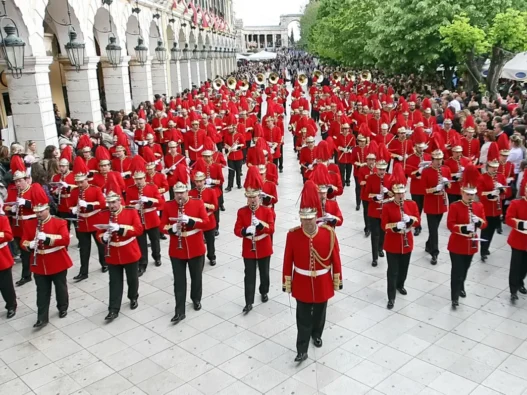
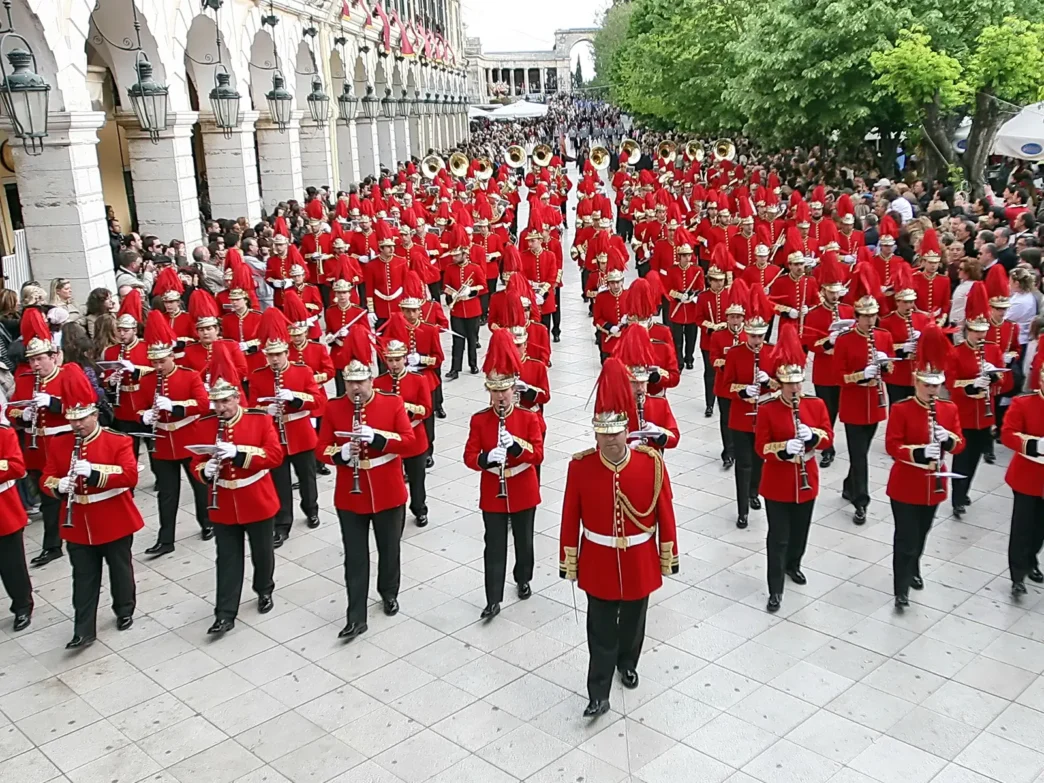
The island of the Phaeacians is not only known for its history and architecture. Corfu has an enormous musical tradition and history, a fact proven by the inhabitants themselves. A significant part of Corfu’s population is actively involved in music, especially in the philharmonic bands, societies, and associations offering music education for hundreds of years.
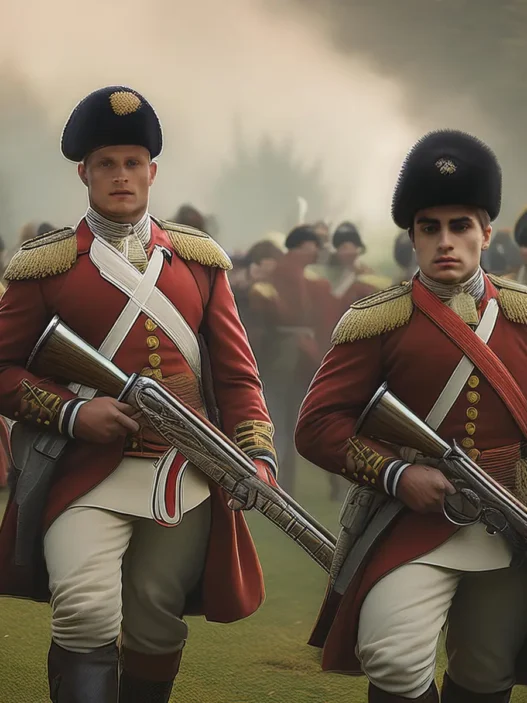
The involvement of Corfiots in music began many centuries ago, during the Venetian period. In particular, the Italians spread their passion for opera, singing, and classical music, while the Corfiots, for their part, loved this entertainment, attending operas and listening to concerts. Then, the British introduced to the island of Corfu the marching bands, bodies of musicians in uniforms performing military marches. These bands became instantly popular with the Corfiots, as they had the opportunity to listen to the music they liked so much, even on the street. However, by a decree of Queen Victoria in 1838, religious ceremonies were forbidden to be accompanied by musical bodies. This was one of the main reasons for the Corfiots to become actively involved in music, founding the first philharmonic society.
The Philharmonic Society of Corfu, or the “Old Philharmonic”, was founded on 12 September 1840 and is the oldest music educational organization in Greece. The Old Philharmonic gives until today the opportunity to many island residents to learn music and gain knowledge and experience completely free of charge. Of course, we should not forget to mention that the first “artistic director” of the Philharmonic was Nikolaos Halikiopoulos Mantzaros, the composer of the national anthem of Greece. At the same time, many other great personalities, such as Spyros Samaras and Spyros Xyndas, passed through its ranks.
With the ever-increasing popularity of music among the inhabitants of Corfu, many more philharmonic orchestras could not but be founded. One of them is the Mantzaros Philharmonic Society. Mantzaros was founded in 1890 with Anastasios Rinopoulos as the first chief musician and is the second of the three philharmonic societies of Corfu. The third and last musical body is the “Kapodistrias Philharmonic Union”, which was founded in 1980 and in turn, provides free music education to children and adults. Of course, apart from the philharmonic orchestras of the city, Corfu is lucky enough to have musical bodies in the villages, with the number of them amounting to 15. Some of the most noteworthy philharmonic societies are the Philharmonic of Gastouri “Omonia”, founded in 1898, the Philharmonic of Korakiana “Spyros Samaras”, founded in 1958 and the “Philharmonic Society of Skripero” founded in 1909. Thus, the total number of music-educational bodies in Corfu is 18.
The main objective of the Philharmonic Orchestras and Bands is to provide free music education. At the same time, amateur musicians are allowed to take part in concerts, parades, and even competitions of a very high standard. Of course, perhaps the most crucial contribution of the bands is the accompaniment of religious ceremonies and processions. An obvious example is the solemn Easter with its distinctive melodies, but also the processions in honor of Saint Spyridon throughout the year.
To better understand the impact of the Philharmonic Orchestras in Corfu, even today, it is worth mentioning some numbers. Apart from the unique in the world number of 18 philharmonic orchestras, it is worth noting the personnel itself. It is indicative that on Easter, all three philharmonic bands of the city have hundreds of people in their ranks, thus creating a unique spectacle and phenomenon.
The history of the philharmonic bands and the musical tradition of Corfu is so long that it cannot be included in just one article. Each musical body has played a significant role in the preservation of the island’s tradition and in the effort to transition to modern standards. The philharmonic orchestras of Corfu have many characteristics that are certainly worth discovering.