
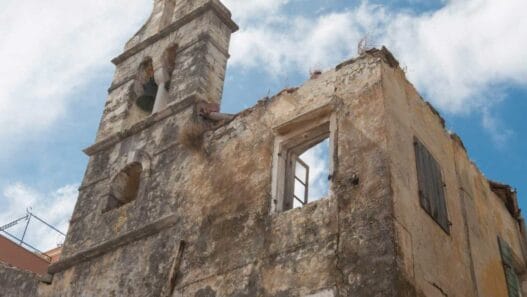


One of the most well-known areas of Corfu is the famous Paleokastritsa. For most residents, this area is a magical combination of sea and mountain, enriched and enhanced by the unique colors of the Ionian Sea and the green slopes of western Corfu. However, Paleokastritsa has a long history that most likely dates back to ancient times. Nowadays, visitors can swim in the picturesque bays of the area but also enjoy a variety of activities both on land and at sea. Of course, this unique tourist resort offers countless proposals in the field of food and entertainment as well.
Paleokastritsa is located northwest of Corfu town at a distance of 25 km. Transportation to the area is relatively easy as it is connected to the Corfu-Paleokastritsa highway and is covered daily and continuously by bus routes. The area is characterized by the lacy coastline that hosts hidden golden beaches such as Agia Triada, Alypa, Agios Spyridon, and Agios Petros. One of the most famous destinations for both visitors and residents of Corfu, Paleokastritsa is distinguished for its unique beauty, which is so special that it was featured in one of the most beloved songs of the Greek cinema, Kerkyra-Kerkyra, which, of course, was performed by the leading actor Rena Vlahopoulou.
Leaving behind the current glamour of Paleokastritsa, it is worth taking a step back in time to discover the history of this unique place. The settlement seems to have been first mentioned during Homer’s time, when, according to the belief of some historians, it was the capital of the island under the reign of the mythical king Alkinoos. Furthermore, it is worth mentioning that according to local tradition, the first modern inhabitants of Paleokastritsa were travelers originating from the region of Mani, who, in their attempt to reach Italy, encountered a sea disturbance and ran aground in the area. However, frequent pirate attacks forced the inhabitants to move to higher altitudes, probably founding the village of Lakones. This neighboring settlement is an excellent example of a picturesque traditional Corfiot village built above Paleokastritsa, hosting some exceptional examples of architecture from earlier years. Lakones also have a folklore museum which operates in the village square.
Of course, we could not mention Paleokastritsa without pointing out the famous Angelokastro, one of the most important Byzantine castles in our country. This imposing castle is located northwest of Paleokastritsa, built on a high peak of immense geographical importance. Its construction dates back to the 13th century under the Despotate of Epirus and more specifically, under Michael I Komnenos. In the following years, it was used by both the Angevins of Naples and the Venetians in times of war and turmoil. The area around Angelokastro is estimated to have been inhabited and developed during the early Byzantine period, becoming a commercial and economic center. Angelokastro is an excellent experience for lovers of hiking history and fortification art.
Paleokastritsa is a busy area of high tourist importance for Corfu. Nevertheless, part of its character remains attached to the traditions, customs, and traditions of the locals. One of these is the Varkarola, a custom revived every year on the first day of August. This impressive event commemorates the siege of the siege of 1716, during which the Ottomans attempted to occupy the old town of Corfu and advance to the rest of Europe.
Your visit to Paleokastritsa will be a unique experience indicative of the Corfiot countryside and nature. You will have the opportunity to delve into the island’s traditions, tasting local flavors and specialties next to some of Corfu’s most famous beaches.