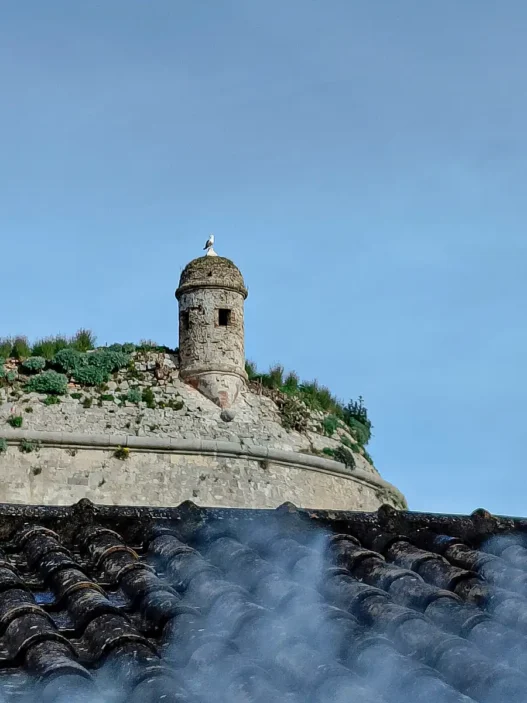



After the division of the Roman Empire in 395 AD, Corfu passed under the jurisdiction of the Eastern Roman State and later the Byzantine Empire. The island experienced a massive decline in the centuries that followed until the 11th century, with repeated raids by Huns, Goths, Arabs, and Vandals. In one of these, the Herulian Goth king Totila destroyed Paleopolis (Hersupolis), with its inhabitants taking refuge in a naturally fortified position a bit further north. This spot is now known as the Old Fortress and was the inspiration for the medieval name of the island, Koryfo, because of its two distinctive peaks.
In the following years, Corfu experienced partial security until 1081 when the Normans of Robert Guiscard fought the Byzantine Empire for the island. After successive conquests and conflicts, Corfu passed under the rule of the Angevins for a little over 100 years. The Angevins do not seem to have left their imprint on the island, although their efforts to convert to the Catholic Church were great.
Gradually, one of the supreme chapters in the history of Corfu begins. This could be none other than the Venetian rule. More specifically, at the end of the 14th century, Corfu was ceded to the Venetians, and a period of occupation began that would last 411 years, 11 months, and 11 days. The Venetian occupation marked a pivotal period in the island’s history, during which Corfu experienced major reforms and extended periods of peace and prosperity. This can be seen both in the city and the broader area of the island, as well as in sectors such as administration, economy, education, and even the church.
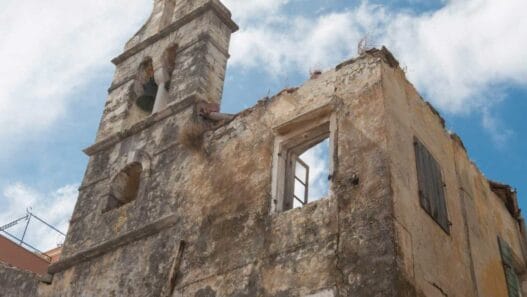
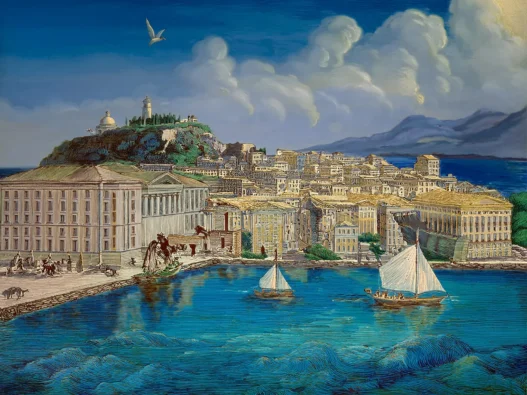
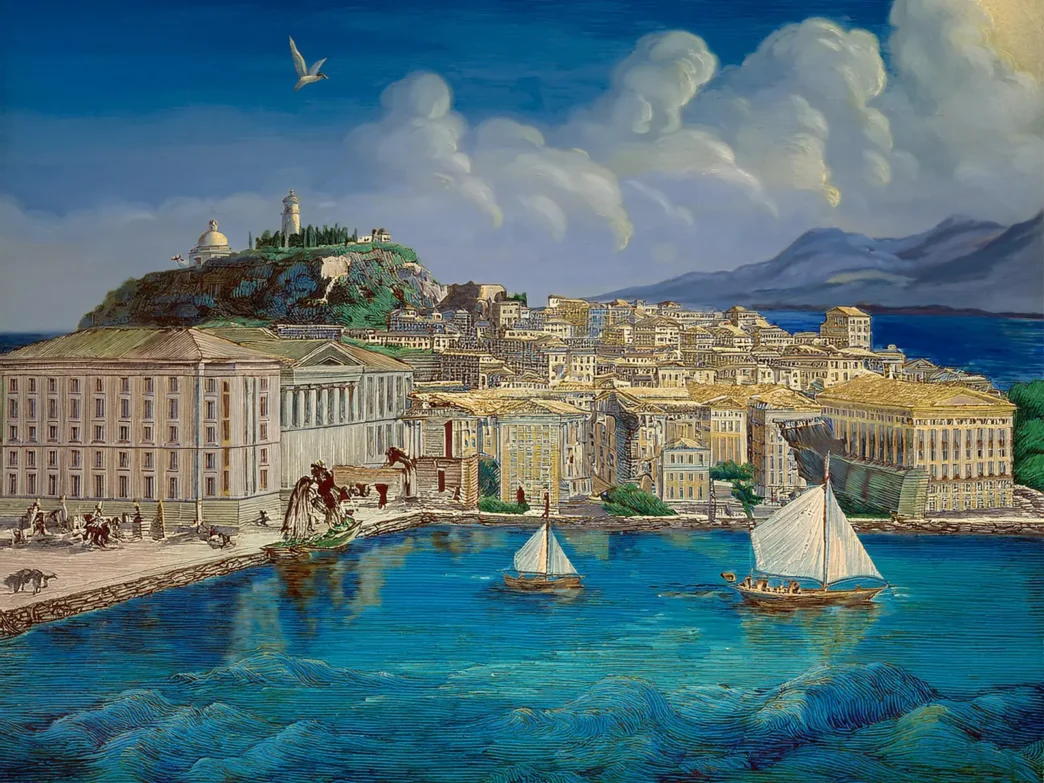
The fortifications were undoubtedly one of the most important legacies of the Venetian occupation of the island. The Old Fortress was modernized to meet the modern needs of defensive logic. The New Fortress was built on the hill of St. Mark’s, while the city was fortified with several bastions and other defensive structures. The well-known present-day monuments of the old town were constantly renewed since the frequent attacks, especially by the Turks, recommended special attention. Especially after the end of the last Turkish siege, the city would be fortified to such an extent that it would become one of the strongest and most impregnable fortresses in all of Europe. The Venetians also made an important contribution to the field of crops. After the Turkish siege of 1537, when a large part of Corfu’s vineyards were torn up, the Venetians invested in the extensive cultivation of olives, thus creating, without their knowledge, a unique situation for which the island will be known to this day. During the Venetian occupation, the presence of St. Spyridon was established as the patron saint and patron saint of the island. There were many cases where his miraculous intervention was needed, both in times of unrest and in cases of famine and disease that plagued the island. Indeed, this particular event is particularly important, as it was in direct opposition to the efforts of the Catholic Church to convert the population into Catholics.
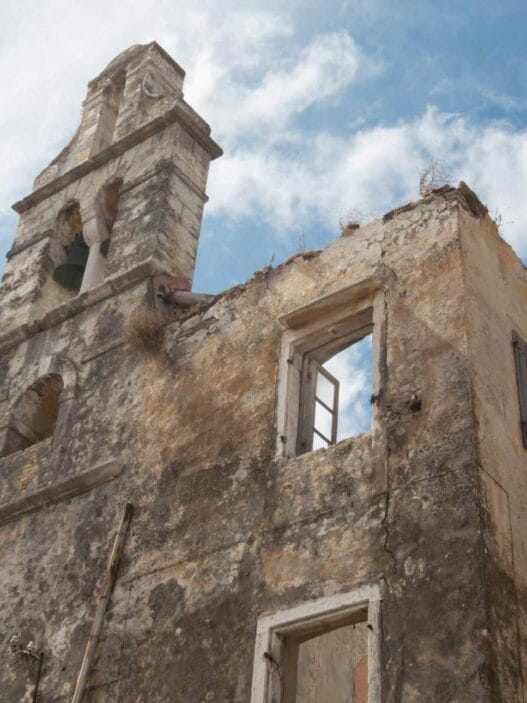
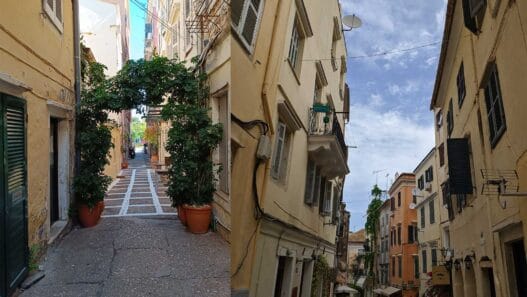
The Venetian occupation characterized and marked the history of Corfu forever. The architecture of the old town and the villages was directly influenced by that of Venice, an element that gave the island its unique and stately beauty. During these 411 years, the characteristics of the inhabitants were inevitably affected as well. The most important example is the language. The dialect of the Venetians and the Greek spoken by ordinary citizens provided the basis for a unique idiom that survives to this day, enriched with words and phrases derived from Italian.
The medieval period, and more specifically, the Venetian occupation, marked the dissemination of Corfu throughout Europe as a place of particular geographical importance, unique characteristics, and rich history, laying the foundations for the island’s future.