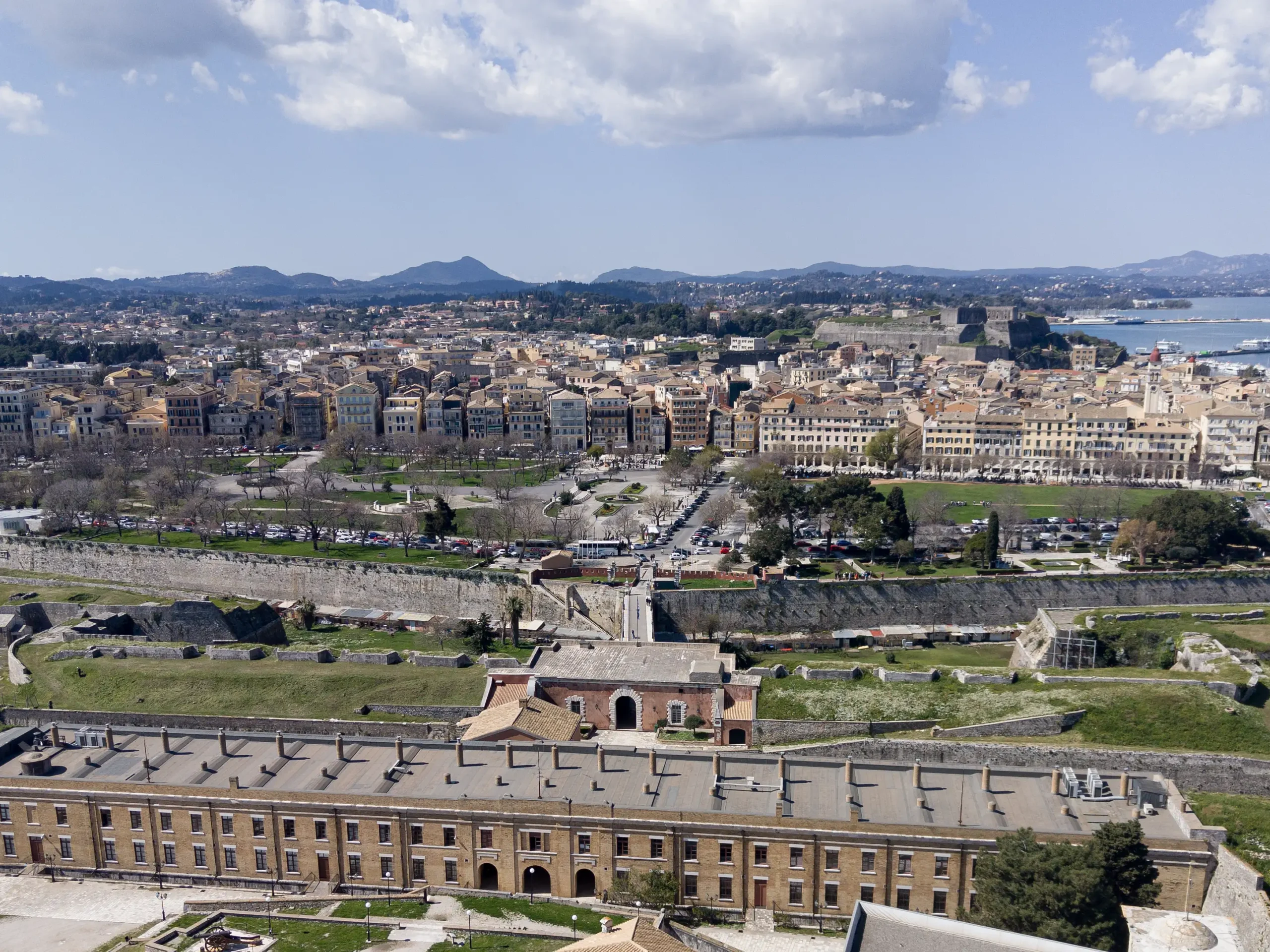

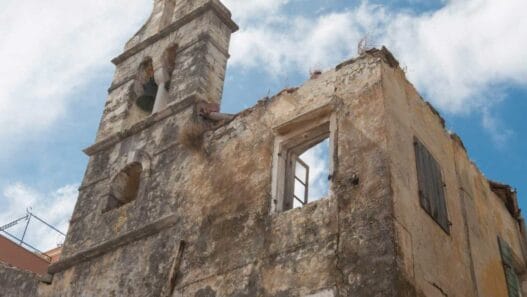


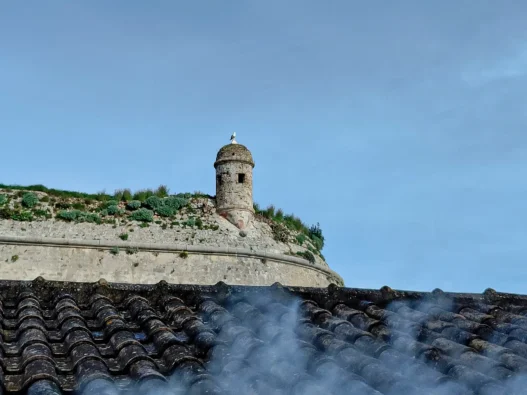
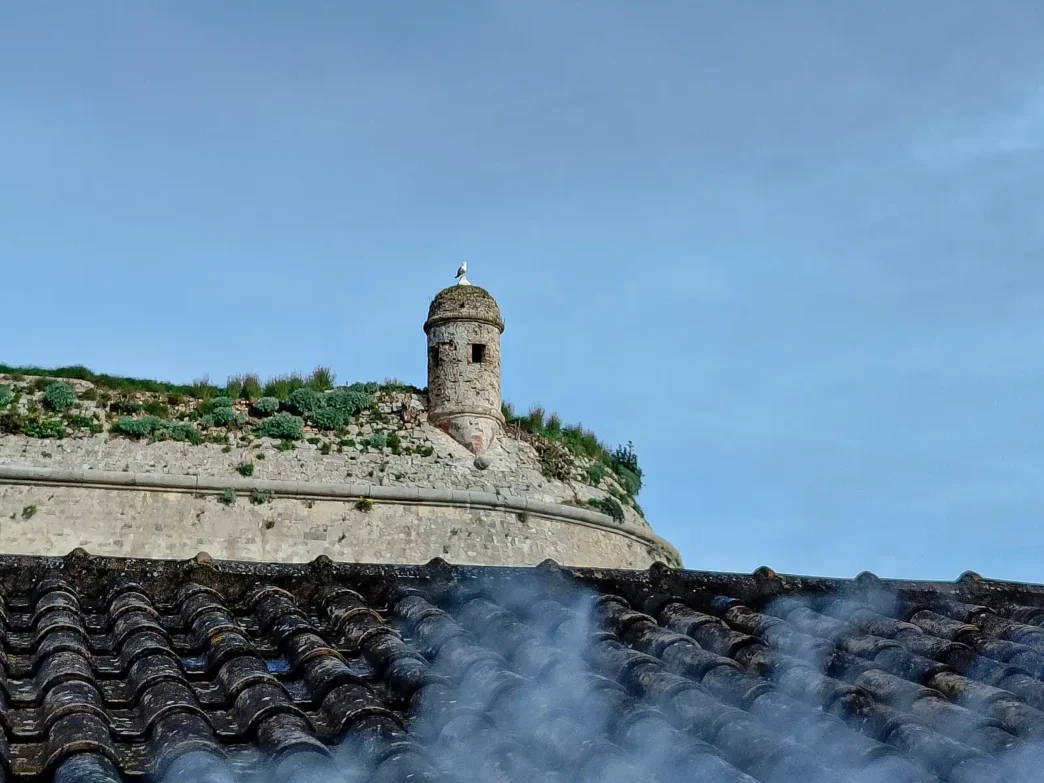
Corfu is well-known for the two dazzling fortresses the old town is home to. The Old and New Fortress have played a pivotal role in the protection and defense of the island over the years. However, the other defensive works of the old town, which have experienced significant neglect and abandonment, are less celebrated.
The defensive system first created by the Venetians with the exit of the old town from the Old Fortress and the systematic settlement of the “Borgo.” was subsequently enriched by the French and the British, constantly evolving and upgrading the city walls according to the standards of the times. Corfu acquired a considerable reputation from the early Venetian years as a result of the effectiveness of its fortifications. It adopted epithets such as “Teribile” (almighty) and “Citta Fortezza” (fortress city).
Some of the fortifications of Corfu’s old town still stand, having withstood the extensive demolition carried out by the British during the handover of Corfu to Greece, time, and the negligence of local authorities. Perhaps the city’s most famous bastion is that of Saradaris, which is often mistakenly confused as part of the New Fortress. The original name of the bastion was Foscarini, and it was built between 1576 and 1588. Nowadays, this important architectural and historical monument is home to the 1st primary school of the old town of Corfu, essentially becoming part of the urban fabric without receiving the recognition it deserves.
A little south of the bastion of Saradaris, stands that of Agios Athanasios. This bastion is also known as a platform because of its shape and is located directly above the Corfu Gymnastics Club. The bastion of Agios Athanasios was constructed alongside the other fortifications of the city. The peculiarity of this particular one is that north of it and at a short distance stood the royal gate, or as it is known in Corfu, Porta Reale, which unfortunately was demolished in 1893 as a result of a political confrontation.
The trilogy of bastions of the old town is completed by the well-hidden bastion of Raimondo behind the famous Corfu Palace Hotel. This bastion covered the southern part of the fortifications and the so-called ‘Castrades’ hill, where the Ionian Academy is located. Although this bastion could be a good example of fortification art to visit, it remains in obscurity, with access to it being impossible.
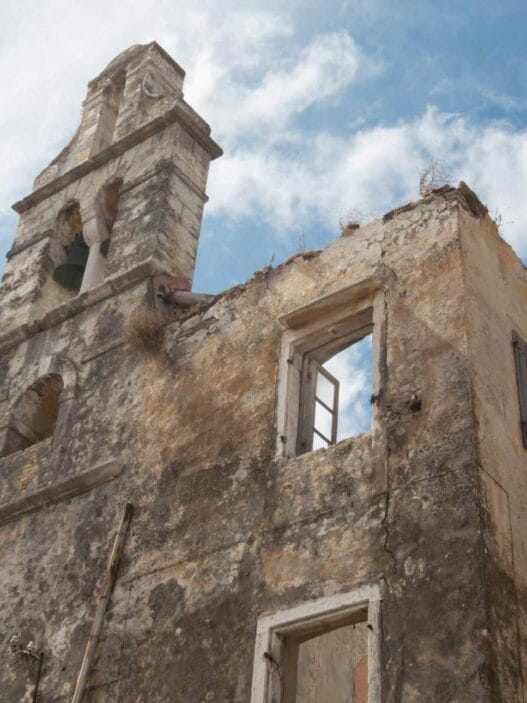
Corfu’s fortification works were not limited to the narrow confines of the city. After the siege of 1716, led by Marshal Schulenburg, the two hills to the west and southwest of Corfu Town were fortified. The fortress of Avramis and the fortress of Sotiras were the first line of defense, but were demolished by the British. Today, on the hill of Sotiras, one can still see some of the ruins of the fortress, which, of course, do not resemble in any way the architectural achievement of the past. Another unknown fortress is that of Sarocco. It was located where the various departments of informatics and translation are housed, and some of its walls are still visible today. The fortification of Corfu was an vital concern of all conquerors over the years, as the geopolitical importance of the island was well known. Thus, even the islet of Vido was fortified, offering even more protection to the Old Fortress during sieges.
The gradual decline of the fortifications began already during the English rule. The English felt that much of the city walls were useless, especially in their efforts to expand the building area. So, initially all the “Cortina” walls (connecting wall between two bastions) and the fortifications of Vido were demolished. The later integration of Corfu into Greece provided for the further degradation of the fortifications, so that even the forts of Avramis and Sotiras were opposed. Today, a picture of Corfu fully fortified, without having lost its defensive achievements, seems truly enchanting and dreamlike.
Despite the gradual dismantling of the fortifications, there were many stories created about them. Remarkably well known in the “kantounia” of the old town, are the legends that refer to the underground tunnels (mines), which connected various points of the defenses. Of particular note is the myth of the tunnel that connects the old town of Corfu to the small island of Vido. All these stories emerged from the residents’ efforts to develop a sense of local folklore, but in reality, they have no solid basis. No map or record mentions the attempt to build an underwater tunnel to Vido, let alone its existence. Thus, most of these stories are now only a way for those who love the history of the place to reach the eyes of the inhabitants to present them with a unique world of history and tradition.
The fortifications of Corfu were a true marvel of architecture and fortification art. Today they stand proudly against time and abandonment, reminiscent of past glories. The people of Corfu should once again embrace their history, learn about it, and preserve it, giving younger people the opportunity to admire this unique achievement.